Reaching a global audience requires more than translating your web pages into multiple languages. Multilingual SEO is the practice of optimizing your website so search engines can correctly identify, index, and rank your content for users in different languages and regions. Done right, it can dramatically expand your organic reach and drive highly qualified traffic from international markets. Done wrong, it can create duplicate content issues and cannibalize your own rankings.
What Is Multilingual SEO?
Multilingual SEO covers all the technical and content strategies needed to make your website visible in multiple language markets. It overlaps with—but is distinct from—international SEO, which also addresses country-specific targeting. A multilingual site serves content in two or more languages; a multiregional site serves different regions or countries; many sites do both.
Why It Matters for Global Businesses
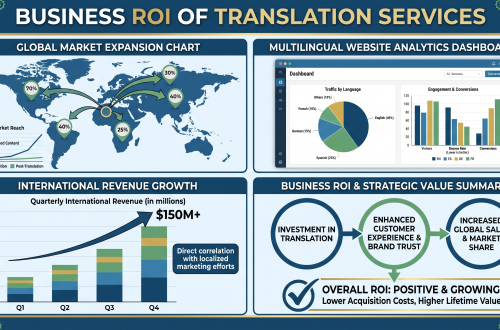
Over 75% of internet users prefer to browse in their native language, and more than 60% rarely or never purchase from English-only sites, according to research by CSA Research. If you’re not showing up in local-language search results, you’re invisible to the majority of your potential international customers.
Choosing the Right URL Structure
Your URL structure is one of the most important multilingual SEO decisions you’ll make. There are three main options, each with distinct trade-offs.
Country Code Top-Level Domains (ccTLDs)
Using separate domains like example.fr for France and example.de for Germany sends the strongest geographic signal to search engines. The downside is that each domain must build its own domain authority from scratch, requiring significant investment in link building per market.
Subdirectories
The example.com/fr/ and example.com/de/ structure keeps all your content under one domain, consolidating domain authority. This is the approach recommended by most SEO experts for brands without massive budgets for multiple domain authorities.
Subdomains
Using fr.example.com and de.example.com is a middle-ground option. Google treats subdomains somewhat independently, so they don’t benefit as fully from root domain authority as subdirectories do. Most SEO practitioners prefer subdirectories over subdomains for this reason.
Implementing Hreflang Tags Correctly
The hreflang attribute tells Google which language and region each page targets, preventing duplicate content penalties and ensuring users land on the correct language version.
Hreflang Syntax
Add hreflang tags in the <head> of each page, in your sitemap, or via HTTP headers. The attribute uses ISO 639-1 language codes (e.g., en, fr, de) optionally combined with ISO 3166-1 country codes (e.g., en-US, en-GB).
Common Hreflang Mistakes
- Missing the
x-defaulttag for your fallback language version - Not making hreflang tags reciprocal (each page must reference all others)
- Using incorrect language or country codes
- Pointing hreflang to pages that return 404 or redirect
Localizing Content Beyond Translation
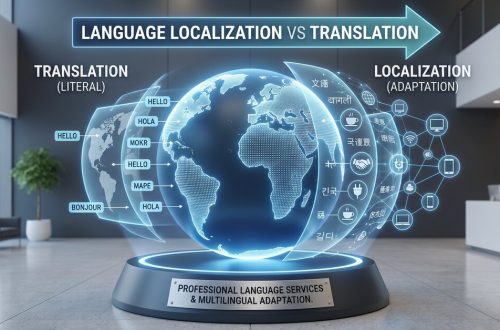
True localization means adapting content to resonate with a specific culture, not just converting words to another language. Search intent, keyword usage, and content preferences vary significantly across markets.
Keyword Research Per Market
Never assume that a keyword’s translated equivalent has similar search volume or competition in the target language. Conduct independent keyword research using tools like Google Keyword Planner, Ahrefs, or Semrush in the target language and market. The most valuable keywords in English may be irrelevant or different in French, German, or Japanese.
Cultural Adaptation of Content
Adapt examples, case studies, imagery, dates, currencies, and measurement units for each market. A blog post referencing US holidays or dollar pricing needs localization, not just translation, to feel native to a European or Asian audience.
Local Link Building
Domain authority in each language market depends in part on acquiring backlinks from locally relevant websites. Outreach to local blogs, press, and directories in each target language is essential for multilingual SEO success.
Technical Multilingual SEO Checklist
| Element | Best Practice | Impact |
|---|---|---|
| URL structure | Use subdirectories (/fr/, /de/) | High |
| Hreflang tags | Implement correctly with x-default | High |
| Translated metadata | Localize title tags and meta descriptions | High |
| Localized keyword research | Research per language, not translate from English | High |
| XML sitemaps | Include all language versions with hreflang | Medium |
| Local link building | Acquire links from target-language sites | Medium |
| Language switcher | Crawlable HTML links, not JS-only | Medium |
| Currency and formatting | Localize to user’s region | Low–Medium |
Avoiding Duplicate Content Issues
Search engines may flag translated pages as duplicate content if they lack proper signals indicating they’re intentional language variants. Hreflang is your primary tool for preventing this. Additionally, avoid serving the same URL to users based on IP geolocation detection—always use separate URLs for separate language versions, as Google cannot crawl content that’s dynamically shown to users but hidden from bots.
Machine Translation and SEO
Using raw machine translation output without human review is risky for SEO. Low-quality translated content can trigger thin content penalties, and mistranslated keywords may mean your pages rank for irrelevant or zero-volume terms. At minimum, have a native speaker review and optimize translated pages for target-language keywords.
Frequently Asked Questions
Does Google penalize sites for having content in multiple languages?
No. Google fully supports multilingual websites. Penalties only arise from duplicate content issues that can be avoided with correct hreflang implementation and distinct URL structures per language.
Should I use separate domains or subdirectories for multilingual SEO?
For most businesses, subdirectories (example.com/fr/) are recommended because they consolidate domain authority under one root domain. ccTLDs are better for brands targeting a specific country with significant local investment.
What is the x-default hreflang tag?
The x-default tag designates your fallback page for users who don’t match any of your targeted language/region versions. It’s typically the homepage or a language-selection page.
Do I need to translate my entire website?
Not necessarily. Start with your highest-value pages—homepage, key landing pages, top blog posts. Prioritize content that drives conversions and expand from there based on performance data.
How do I handle multilingual XML sitemaps?
You can either include hreflang annotations within a single sitemap or create separate sitemaps per language and reference them all in your robots.txt. Both approaches are valid.
Can I use automatic browser language detection to redirect users?
You can, but ensure that all language versions remain accessible via their direct URLs for Googlebot, which may not follow JavaScript redirects. Provide a visible language switcher as well.
How long does multilingual SEO take to show results?
Expect 3–6 months for Google to fully index and rank new language versions. Technical implementation (hreflang, URL structure) should be done correctly from day one to avoid setbacks.
Conclusion
Multilingual SEO is one of the highest-leverage growth strategies for businesses targeting international markets. By choosing the right URL structure, implementing hreflang tags correctly, conducting language-specific keyword research, and localizing content beyond simple translation, you can build organic visibility in multiple markets simultaneously. Start with your most valuable target languages, get the technical foundation right, and invest in high-quality localized content—the long-term organic dividends are well worth it.